
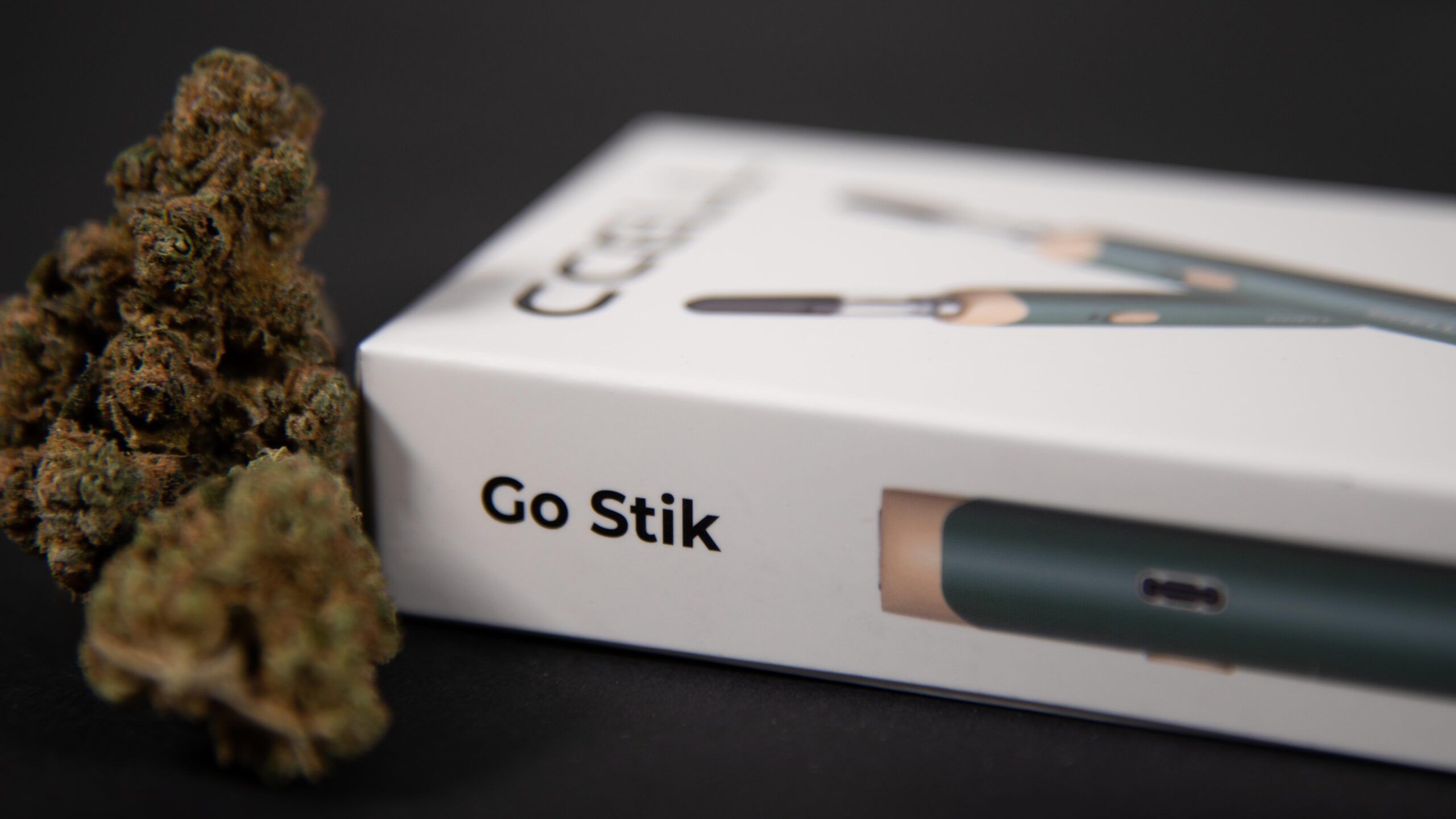
For travelers who vape—whether nicotine or cannabis-derived products—flying with devices and accessories can be a confusing experience. Regulations vary by airline, country, and device type, making preparation essential. Understanding the rules around batteries, liquids, and where to store devices can help ensure a smooth and compliant journey.
Understanding TSA and FAA Regulations
According to the U.S. Transportation Security Administration (TSA) and Federal Aviation Administration (FAA), all electronic vaping devices—such as vape pens, e-cigarettes, and vaporizers—must be carried in carry-on luggage, never checked bags. The reason lies in the lithium-ion batteries that power these devices, which present a fire risk if packed in the cargo hold. TSA agents may inspect vape devices during screening, and travelers are advised to remove them from their bags as they would laptops or other electronics.
The FAA also prohibits using or charging vape devices on aircraft under any circumstances. Violating this rule can result in hefty fines or even legal action. Travelers should ensure their devices are powered off and secured before boarding.
Liquid and Cartridge Guidelines
Vape juice, refill bottles, and cartridges containing e-liquid or cannabis oil must comply with the TSA’s 3-1-1 rule—containers cannot exceed 3.4 ounces (100 milliliters) and must fit in a single quart-sized plastic bag. While most vape cartridges are well below this limit, travelers should double-check that containers are sealed tightly to avoid leaks caused by cabin pressure changes.
For travelers using cannabis or CBD vapes, legality is more complex. Even if a product is hemp-derived and contains less than 0.3% THC (the federal limit under the 2018 Farm Bill), individual states and countries may enforce stricter laws. Flying domestically within legal states is generally safe with compliant CBD products, but carrying THC vapes across state or international borders remains illegal under federal law.
International Travel Considerations
Outside the U.S., laws around vaping vary widely. Some countries—including Thailand, Singapore, and India—ban vaping devices entirely, while others impose severe penalties for possession. Travelers should always research their destination’s customs regulations before departure. In some cases, simply bringing a vape pen into a country can result in confiscation or fines.
Airlines may also have additional restrictions beyond federal rules. For example, some carriers require batteries to be removed and stored separately in protective cases, while others limit the number of devices allowed per passenger. Checking with the airline directly before flying helps avoid unnecessary complications.
Best Practices for Traveling with Vapes
To make travel easier, experts recommend:
- Carrying devices and cartridges in a protective case to prevent leaks or damage.
- Storing liquids upright in clear plastic bags.
- Turning off all devices and ensuring buttons cannot be accidentally pressed.
- Keeping documentation for any CBD or hemp-derived products to verify legality.
Ultimately, knowledge and preparation are key. As vaping continues to grow in popularity, so does the scrutiny around air travel with these devices. Following TSA, FAA, and international guidelines helps travelers stay safe—and stress-free—while taking their vapes to new destinations.
Learn More: Lounges, Landlords, and Localities: Navigating Cannabis Vape Rules