The power of social media in shaping cannabis vape culture is undeniable. Platforms like Instagram, TikTok, and Reddit have become trend incubators where aesthetics meet advocacy, and where a single viral clip can transform a niche vape brand into an overnight sensation. The cannabis vape scene—once driven by innovation in technology—is now equally influenced by social algorithms, influencer reviews, and visual storytelling.
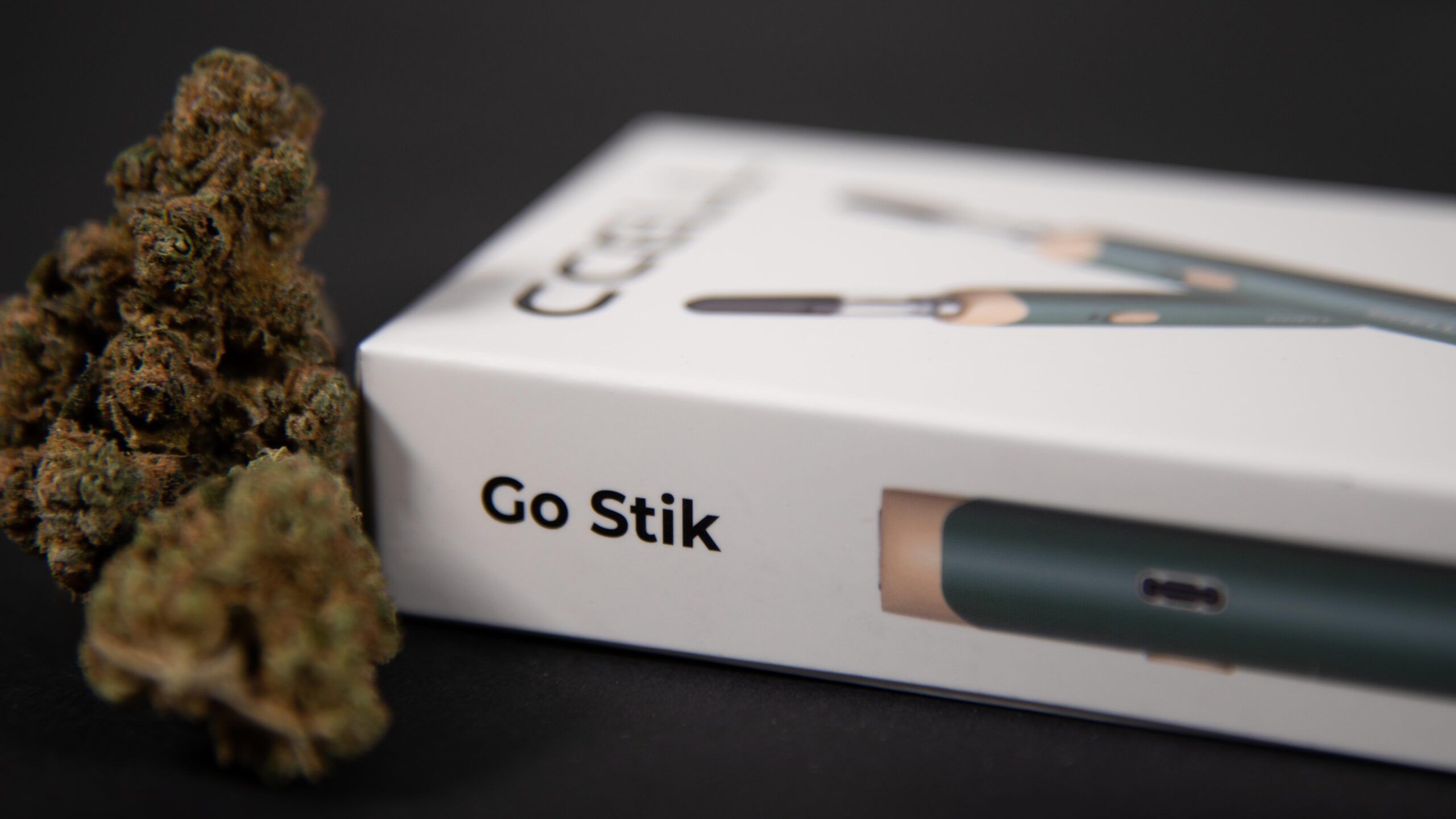
One of the clearest examples of this influence is the rise of sleek, minimalist vape designs. According to data from Headset and New Frontier Data, consumers are increasingly drawn to vape products that reflect lifestyle branding, often influenced by the social feeds they follow. Vape companies have adapted by hiring digital creators to demonstrate their devices’ smooth pulls, customizable temperatures, and flavor profiles through short-form videos. These digital endorsements often outperform traditional advertising, particularly among Gen Z and Millennial consumers who value authenticity over polished campaigns.
Influencers, both macro and micro, now serve as unofficial product reviewers. Their unboxing videos, live vape sessions, and aesthetic “cloud shot” reels have made vaping not just a consumption method—but a visual statement. Platforms like TikTok, with its creative editing tools, have amplified trends such as “vape art” and “flavor challenges,” where users review seasonal or limited-edition strains. Even cannabis Reddit forums have become mini-communities where enthusiasts trade advice on brands, oil purity, and device longevity.
Social media has also driven transparency. Consumers today are more informed and demand traceability in their products. Vape users often consult Instagram posts or YouTube breakdowns before making a purchase, looking for lab test verifications, CO₂ extraction mentions, and third-party certifications. As a result, brands that clearly post their test results or production standards gain credibility and followers simultaneously.
But with visibility comes scrutiny. The FDA and various state regulators have tightened their focus on how cannabis vape products are marketed online—especially to prevent youth exposure. While mainstream advertising remains heavily restricted, brands must walk a fine line between compliance and creativity. Many turn to educational content to avoid penalties, creating posts about proper storage, dosing, and responsible use rather than direct sales pitches.
Another major shift influenced by social media is how vape culture merges with wellness narratives. Hashtags like #CBDVapes, #CleanCannabis, and #TerpeneTuesday reflect a growing demand for transparency and health-conscious consumption. Instead of focusing purely on potency, influencers are spotlighting balance, relaxation, and functionality—turning cannabis vaping into a broader lifestyle choice.
Ultimately, social media has blurred the boundaries between marketing, culture, and community. Consumers no longer just buy a vape—they join a digital tribe that celebrates innovation, individuality, and shared experience. As the cannabis space continues to evolve, so will the ways social platforms ignite trends, amplify consumer voices, and redefine what vaping represents in modern cannabis culture.