
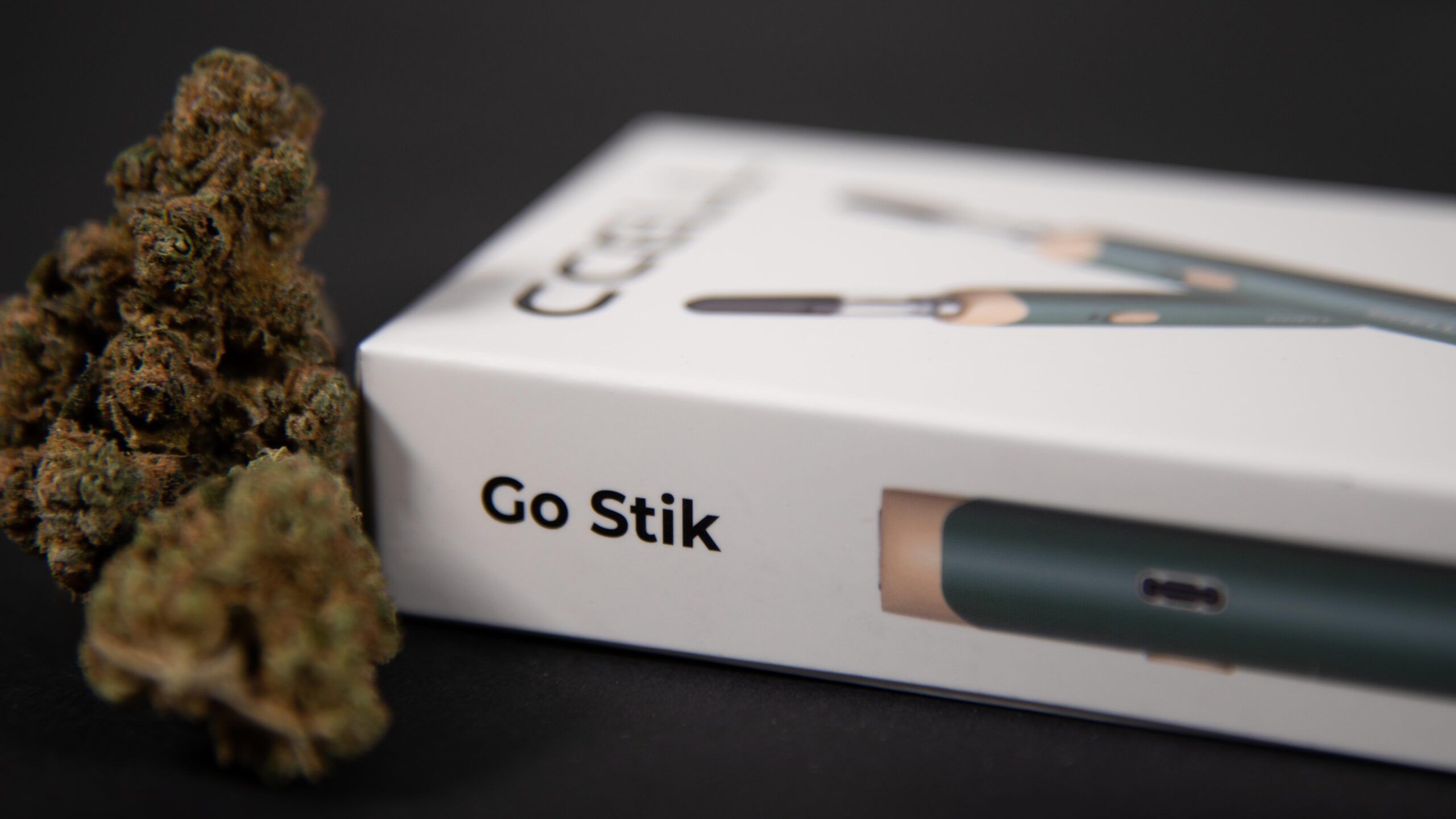
The modern cannabis vape has evolved from simple 510-thread cartridges into app-connected “smart pod” ecosystems that promise cleaner aerosol, tighter dose control, and better battery safety. Early carts relied on cotton or silica wicks that struggled with viscous cannabis oils. The inflection point came when CCELL popularized porous ceramic heating elements around 2016, improving wicking and heat distribution and dramatically reducing “burnt hits” and leaks—upgrades that set today’s quality baseline.
The next wave focused on consistency and control. Dose-metered all-in-ones such as dosist’s pen introduced time-based puffs with haptic feedback to standardize inhalation and limit accidental overconsumption; the newest models even add a “double-dose” option with automatic shut-off cues. Meanwhile, closed smart-pod systems like PAX Era layered temperature presets and, via the PAX mobile app, degree-level temperature tuning, dynamic heating modes, and pod metadata that can help consumers tailor flavor, potency, and vapor output. Emerging “smart adapters” for 510 cartridges—such as Mode—extend similar features to open hardware, adding real-time dose targets, puff tracking, and Bluetooth connectivity that log sessions for medical or wellness routines.
Safety advances also reshaped hardware design. Following the 2019 EVALI outbreak, in which vitamin E acetate in illicit THC oils was strongly linked to severe lung injury, regulators and brands doubled down on verified supply chains and clearer ingredient disclosure. Consumers learned to avoid informal sources and prioritize tested products. In parallel, device makers increasingly reference UL 8139, an ANSI-recognized standard that evaluates electrical systems, batteries, charging, and protection circuits specific to e-cigarette and cannabis vape devices—reducing risks of thermal events and charging failures. Packaging has moved toward universal child-resistance requirements aligned with ASTM frameworks (e.g., D3475) and PPPA guidance, tightening compliance across state programs.
Where does vape technology go next? Expect more personalization and transparency. App-connected devices are likely to standardize “session analytics”—temperature curves, puff counts, and cumulative milligrams—paired with ingredient data pulled from verified COAs, so consumers and patients can correlate settings with effects. Closed ecosystems will compete on pod authentication and anti-counterfeiting to prevent grey-market refills, while open platforms will borrow smart overlays to keep consumer choice intact. As ceramic micro-porosity and coil geometry continue to mature, look for lower-temperature aerosolization that preserves terpene profiles and reduces thermal byproducts at a given potency.
On the safety front, wider adoption (or mandate) of UL 8139-tested components and clearer additive disclosure should become table stakes, particularly as jurisdictions harmonize labeling and child-resistant requirements. Lessons from EVALI will keep pressure on suppliers to eliminate non-volatile thickeners, while retailers lean on verified provenance and track-and-trace integrations. Finally, expect dose automation—short, metered inhales with haptic feedback—to blur the line between wellness devices and recreational vapes, offering repeatable outcomes without sacrificing flavor.
If the 2016 ceramic revolution made carts reliable, the 2020s are making them intelligent. The through-line is trust: smarter heating, clearer data, and safer batteries that let consumers focus on experience—not troubleshooting.