
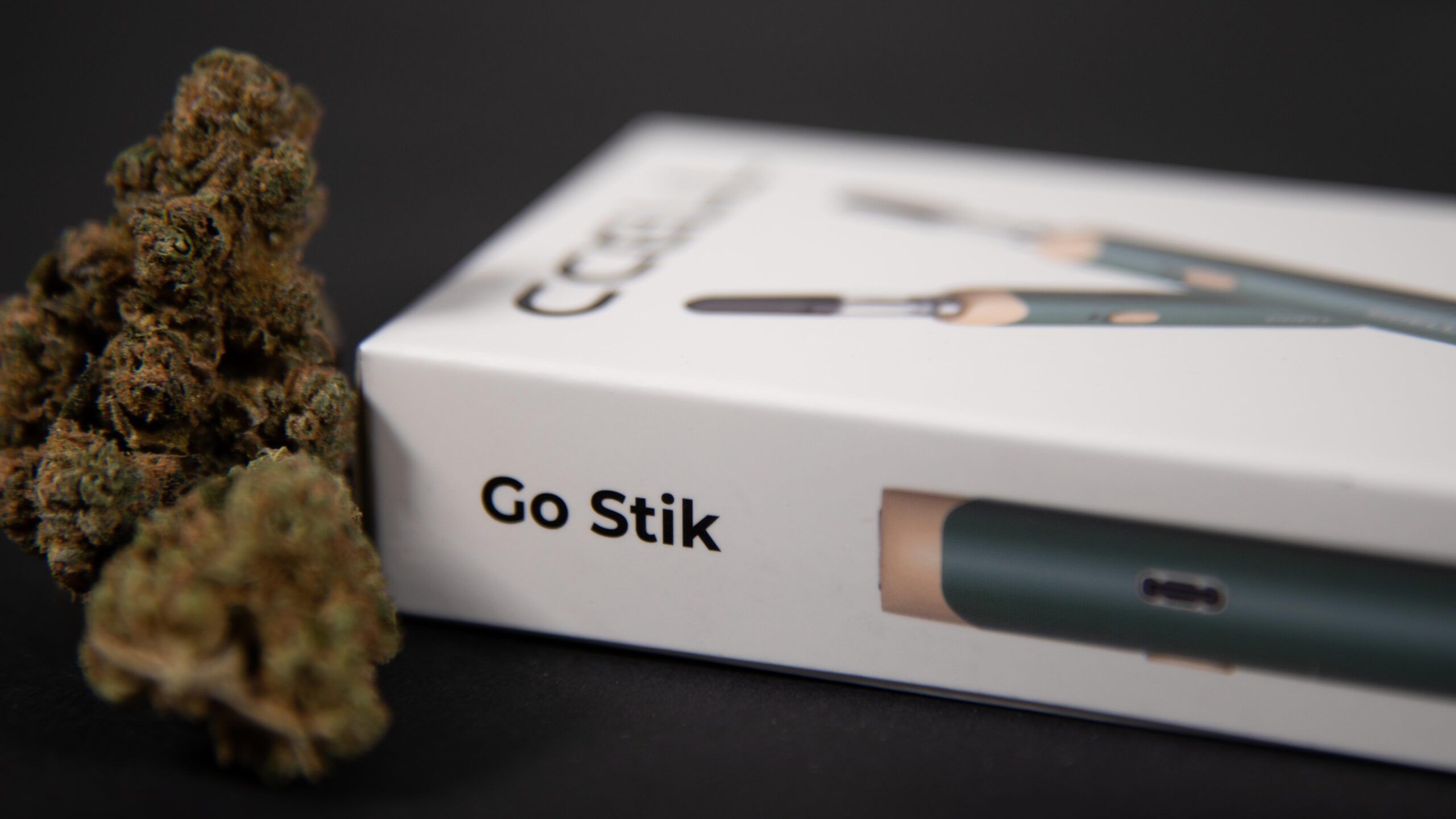
Vape packaging and labeling laws across the United States are undergoing a noticeable transformation in 2025. Regulators are tightening standards on child safety, product transparency, and environmental sustainability, reshaping how vape products are presented on dispensary shelves. These updates are part of a broader effort to standardize labeling across states, curb youth-appealing marketing, and enhance consumer trust in legal cannabis markets.
One of the main drivers behind these changes is child safety. States are now aligning packaging requirements with the federal Consumer Product Safety Commission’s Poison Prevention Packaging Act, which demands child-resistant containers that are difficult for young children to open but convenient for adults to use. This standard, once focused mainly on edibles, is now being applied to vape cartridges and disposable pens. In states like California, regulators require the cannabis universal symbol to appear directly on the vape device or cartridge itself—not just on the outer packaging—ensuring that the product remains clearly identifiable even after the box is discarded.
Public health concerns have also prompted stricter labeling oversight. Over the past two years, federal agencies such as the FDA and FTC have warned companies about marketing vape and cannabinoid products in packaging that could appeal to minors or resemble common snacks and candy. State cannabis regulators are following suit, enforcing “no youth appeal” design rules and encouraging simpler, more professional packaging. The intention is to move away from bright colors, cartoon imagery, and brand names that might attract underage consumers.
At the same time, states are moving toward greater consistency in labeling requirements. Many regulators and trade organizations are adopting or recognizing the ASTM D8441 universal cannabis symbol to replace the variety of state-specific icons used in the past. This change makes it easier for consumers to recognize a regulated product regardless of the state they are in. The use of scannable QR codes that link to official Certificates of Analysis (COAs) is also becoming standard practice. These codes allow customers to verify lab results instantly, providing transparency about potency, ingredients, and safety testing.
Environmental sustainability is another key factor driving 2025’s packaging reforms. States such as New York are proposing rules requiring recyclable or reusable packaging and mandating a minimum percentage of post-consumer recycled (PCR) plastic in product containers. Brands are now being encouraged—or in some cases required—to submit environmental packaging plans outlining how they intend to reduce waste or implement recycling initiatives. In California, new laws also prohibit packaging or advertising that implies vape devices are “disposable,” recognizing the need to handle used cartridges and pens as electronic waste rather than simple trash.
For consumers, these changes bring both challenges and benefits. Packaging will likely appear more uniform and less decorative, with larger universal symbols and clearer labeling. While prices could rise slightly as companies adapt to new regulations and sustainability requirements, consumers will gain better access to safety information and more reliable product verification tools. QR codes will make it easy to check lab results before purchase, and clearer disposal instructions will guide users on how to handle used vape devices responsibly. Ultimately, the redesigned vape packaging of 2025 represents a shift toward greater accountability—ensuring that every product on the shelf is safer, more transparent, and better aligned with both public health and environmental standards.