
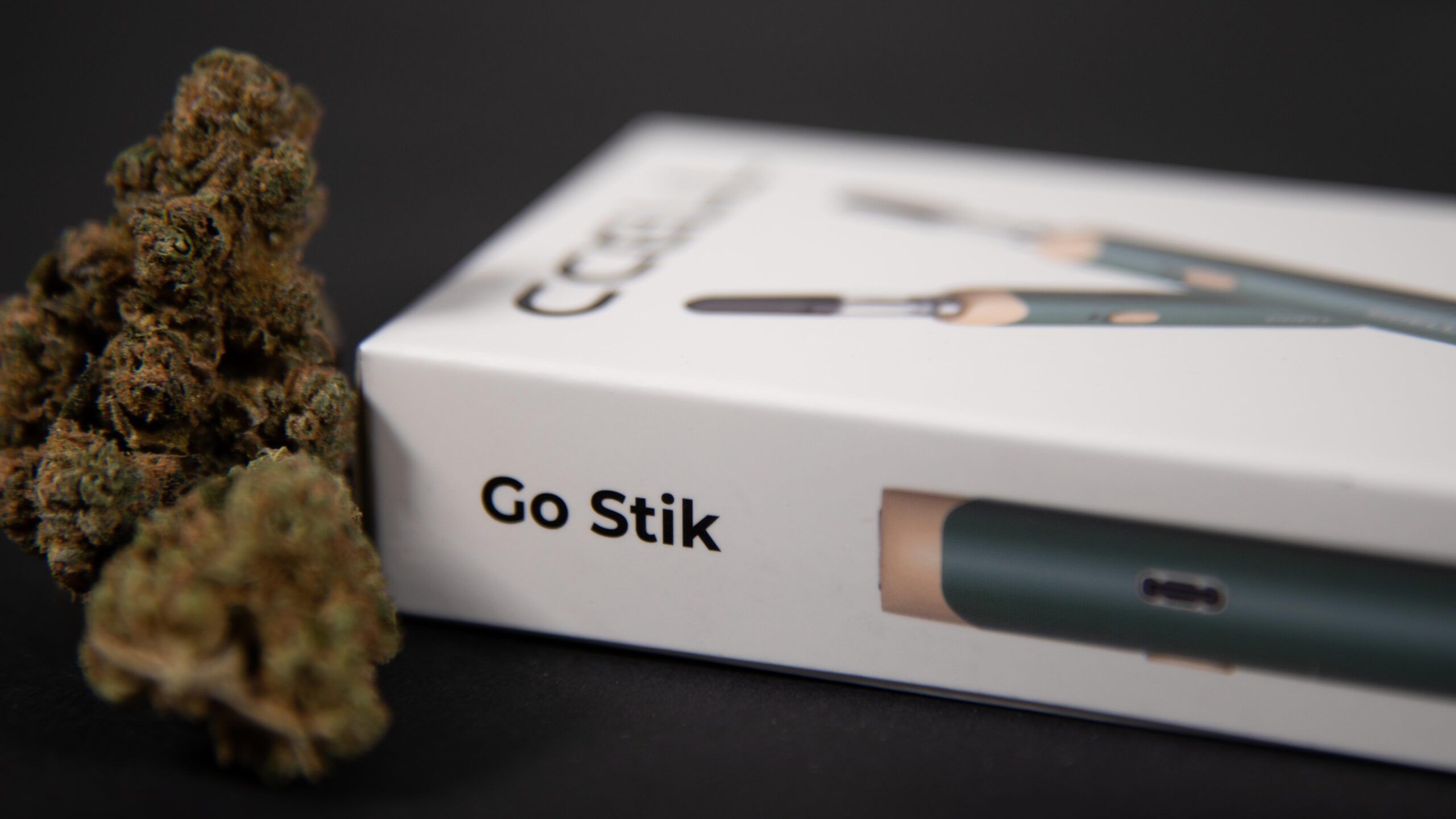
In today’s fast-moving cannabis culture, convenience isn’t just a nice-to-have—it’s become a core part of the experience. The “on-demand” vape lifestyle is all about having the right hit, right when you want it—thanks to sleek vape pens, cartridges and vaporizer devices that let users access cannabis in seconds rather than grinding, rolling or waiting. What was once a ritual of lighting up has shifted into a moment of button-press ease.
Vaping cannabis has dramatically impacted how people consume the plant. Traditional combustion—smoking joints, pipes, or bongs—required planning: sourcing flower, prepping, lighting, and cleanup. Today’s vape devices deliver a cleaner look, less visible smell, and unmatched portability. Some researchers note that vaporized cannabis may reduce exposure to combustion by-products compared with smoking. For many consumers, that shift signals a modernization of the ritual—matching the on-demand consumption patterns familiar from streaming, ride-shares, and food delivery.
But it’s not just about convenience. Science indicates real behavioral shifts. One study found that vaped cannabis produced stronger short-term effects than smoked cannabis in infrequent users under identical doses—meaning the on-demand model packs a potent punch. The implication: when you can inhale within moments, fully expecting a hit, the dynamic of consumption changes. You might take fewer puffs, but they’re heavier and more immediate.
The technological ease of vapes dovetails with social trends. Want a discreet load during a meeting break? Done. Need to manage dosing quietly while on the move? A vape fits the bill. The lifestyle appeal—sleek devices, minimal ritual, less prep—is part of the attraction. For urban consumers especially, where time and convenience matter, the on-demand vape hits a sweet spot.
At the same time, the health implications are gaining attention. Though some evidence suggests vaping cannabis may expose users to fewer combustion-related toxins, that’s not the whole story. Researchers have found nano-sized metal particles present in vaping liquids even before heating—especially in unregulated products. Moreover, a university-based study found adolescents who vape cannabis exhibited more respiratory symptoms than those who smoked marijuana or vaped nicotine alone. So the “instant” benefit doesn’t erase risk.
In short: the on-demand vape lifestyle is transforming cannabis consumption by privileging immediacy, portability, and discreetness. But as with all shifts in consumption modalities, it comes with trade-offs. With greater ease often comes greater access, higher potency formulations, and an evolving risk profile that users and regulators alike are still mapping. The pleasure of hitting “go” with a slick device is real—but so is the importance of staying informed.